← Back to Services
Multimodal Freight: Sea, Rail & Air
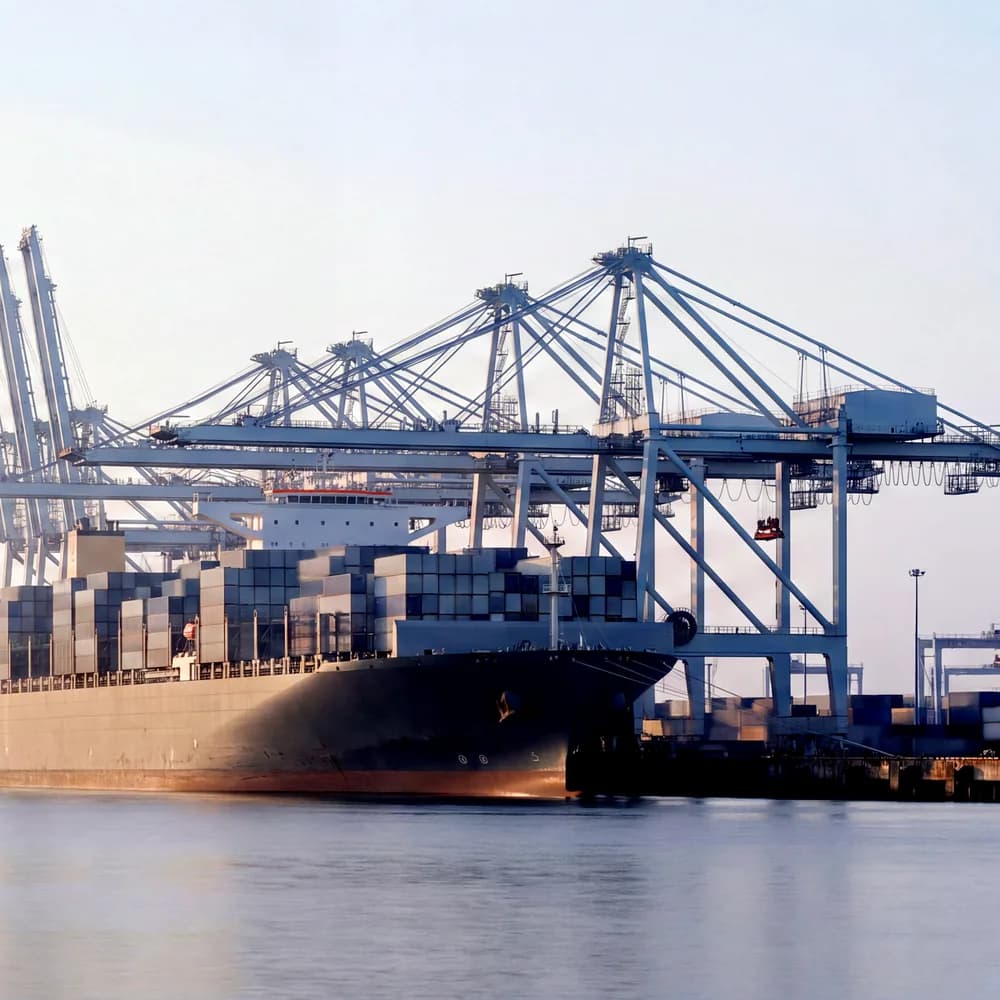
A multimodal shipment is one consignment, several modes, and one forwarder answerable for the joints between them. Sea or rail takes the long leg, road covers the first and the last, and the transfer and the customs entry sit in between. The travelling is rarely where a route like this goes wrong — the joints are: that is where the cargo stands still, and where the schedule is held or lost.
When a combination costs less than a single mode
The three modes price cargo in three different ways, which is why a combination can beat any of them on its own. Sea charges per container or per freight ton: the lowest rate per ton, the longest clock, and the port on top of it. Rail costs more, but holds its schedule more steadily and does not depend on a port queue. Air charges chargeable weight — the greater of actual and volumetric — so light but bulky cargo flies at a heavy-cargo rate; how volumetric weight is worked out is set out on the consolidated cargo page.
A combination wins where no single mode covers the route end to end, and three situations account for most of it. The origin or the destination has no port or terminal, so a road leg is unavoidable anyway. Part of the consignment is urgent and the rest is not: the critical items fly, the volume goes by sea or rail, and together that costs less than flying all of it. And the third, the one that gets mentioned least: the date that matters is not the earliest but a particular one. A long cheap leg is then set deliberately alongside a short expensive one — so the cargo arrives neither late nor long before there is anywhere to put it.
Why a forwarder assembles the route, not a carrier
A carrier sells its own leg and answers for it — from taking the cargo over to handing it on. A multimodal route is made of several such stretches, and the expensive part is what lies between them: in the gap between two carriers the cargo is no longer with the first and not yet with the second, while the meter on standing time runs against you. That gap is why a forwarder exists.
Our customs brokers are our own and sit on the same team as the route manager, so the documents for the next leg are prepared while the cargo is still moving. The quote is a single one too: freight, transfer, clearance and the road legs as one figure, broken out by handover point. What we do with our own people and what we source per consignment is on the about page; what we need from you to start a quote is on the contact page.
What the multimodal service covers
- Costed routings with different directions, handover points and transit times
- The sea leg: booking, and a transshipment port picked for the direction and the cargo
- The rail leg across Europe and Asia, including the transfer at the change of gauge
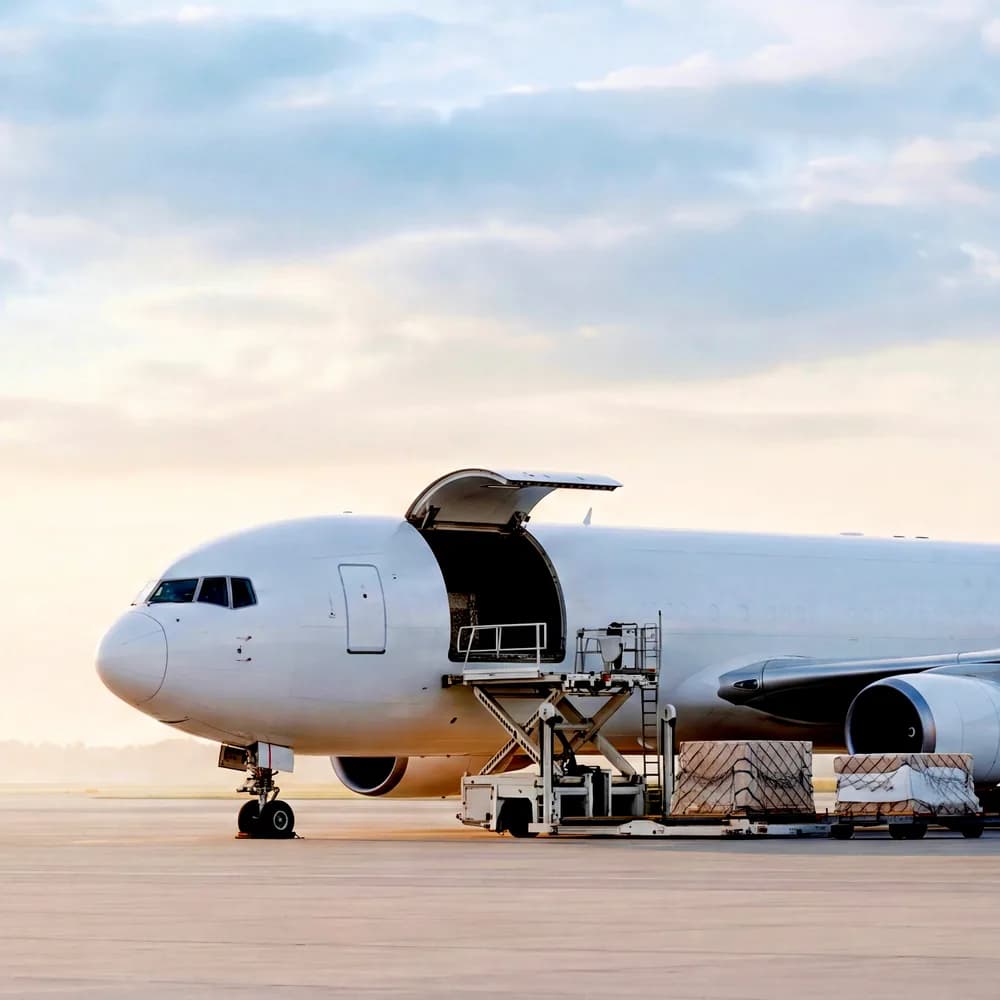
- An air leg for the urgent part of a consignment, run separately from the volume
- Road legs into and out of the terminal, and a transfer warehouse matched to the storage regime the cargo needs
- Customs clearance, handover paperwork and tracking on the legs we arrange
How a routing gets assembled, leg by leg
The first decision on a multimodal route is not the rate, it is the direction. The same import out of Asia can come in through the Baltic ports or through the Black Sea, and those are two different routes rather than two price lists. Different lines and different sailing frequencies, a different time on the water, different free time on the container — and, above all, a different overland leg after discharge: another distance, another border crossing, another likelihood of a queue. So the comparison to make is not freight against freight but route against route, door to door: a cheaper sea leg regularly gives the difference back on land, and a gain made on the water disappears in one night at the border.
The second decision is where exactly the cargo changes mode. The closer the transfer sits to the consignee, the shorter the road leg and the fewer the handlings — but the more the route hangs on one terminal. The earlier the cargo moves onto land, the more options remain if something stalls on the main lane. The date decides: we build the schedule backwards from the day the cargo is needed on site.
Two further things bear on the same choice, and each has a page of its own: the storage regime at the transfer — bonded or ordinary — is covered under warehouse storage, and the choice of customs office under customs clearance. One thing matters here: both are settled before departure. At the joint it is already too late.
The joints, where the route actually loses time
A container has free time at the terminal — days during which storage and use of the box are not charged separately. How many there are depends on the line, the port and the booking itself, so the figure has to be known before the vessel arrives, not after. Once the free time is used up, two separate meters start: demurrage on the box standing at the terminal, and detention for returning the empty to the line late. Both accrue by the day, neither takes any interest in why the cargo is standing, and the most common reason is a document that does not exist yet.
At the Ukraine-EU border the track gauge changes: 1,520 mm against 1,435 mm. The load is either transshipped into another wagon or the bogies are swapped. The operation is planned, but it takes time, has to be arranged in advance, and it brings the re-issue of the consignment note with it — in the schedule that is a leg of its own, not a formality.
At the airport, cargo is accepted for a flight only up to the acceptance cut-off: miss it and the shipment goes on the next one, taking the road leg booked to meet it with it. The sea leg has its own version of the same thing: a booking on a sailing does not make the departure date fixed, so we confirm the onward legs once the vessel has actually sailed. Hence the rule we work to: the deadline for the paperwork is set earlier than the deadline for the cargo.
Who answers at the joint, and under which document
- One through document for the whole route, or separate documents leg by leg — two different structures of liability; which one applies has to be clear before departure
- A bill of lading, unlike an air waybill, is a document of title: the cargo is released against it, so the journey of the bill itself between banks and counterparties belongs in the schedule too
- At the boundary between the two rail regimes — CIM and SMGS — the consignment note is re-issued: a step of its own in the schedule, not something that happens by itself
- A separate CMR for each road leg: the run into the terminal and the run out of it are two different carriages under two different notes